Introduction
Bipolar disorder is a mental health condition characterized by extreme mood swings that include emotional highs (mania or hypomania) and lows (depression). Recognizing the early signs is critical for timely diagnosis, treatment, and improved quality of life. Many people may dismiss symptoms as stress, personality traits, or normal mood changes, which delays intervention.
Understanding Bipolar Disorder
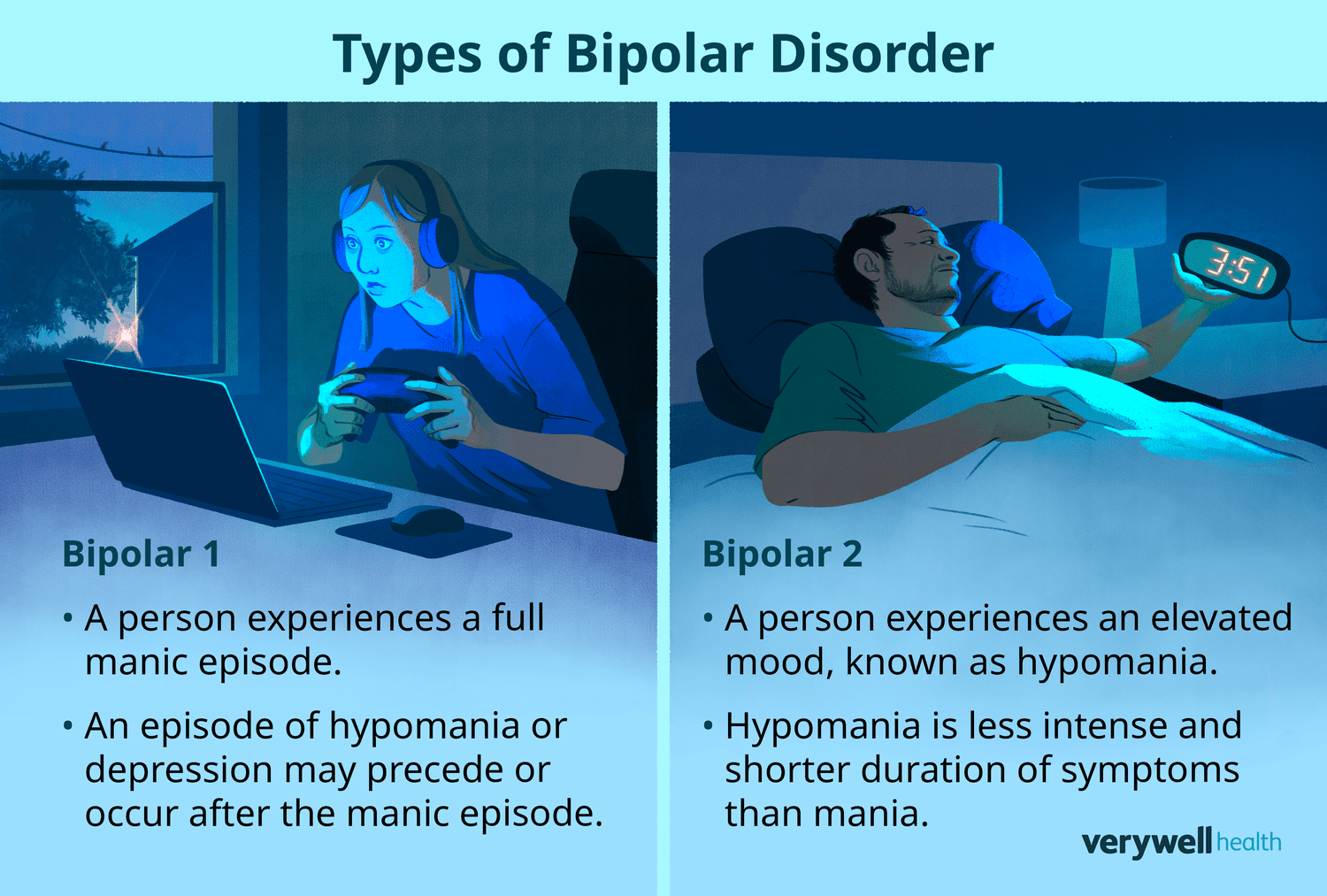
There are two main types:
- Bipolar I Disorder: Involves full manic episodes and usually depressive episodes.
- Bipolar II Disorder: Involves hypomania (less severe than mania) and depressive episodes.
Both types can significantly disrupt daily life if left untreated.
Early Signs of Mania or Hypomania
1. Elevated or Irritable Mood
- Feeling unusually happy, energetic, or irritable for extended periods.
- May appear overly confident or euphoric without clear reason.
2. Decreased Need for Sleep
- Functioning on just a few hours of rest without feeling tired.
- Staying up late with excess energy.
3. Increased Talkativeness
- Talking rapidly or excessively.
- Jumping quickly between topics.
4. Racing Thoughts and Distractibility
- Difficulty focusing because of fast, scattered thoughts.
- Easily distracted by minor things.
5. Risky Behaviors
- Overspending, reckless driving, or risky sexual behavior.
- Making impulsive decisions with little thought for consequences.
Early Signs of Depression
1. Persistent Sadness or Hopelessness
- Feeling down most of the day, nearly every day.
- Loss of interest in previously enjoyable activities.
2. Fatigue and Low Energy
- Constant tiredness even after resting.
- Difficulty completing daily tasks.
3. Changes in Appetite or Sleep
- Eating much more or less than usual.
- Insomnia or oversleeping.
4. Difficulty Concentrating
- Trouble remembering details or making decisions.
5. Suicidal Thoughts
- Expressions of worthlessness or thoughts of self-harm require immediate professional help.
Why Early Recognition Matters
- Early intervention prevents severe episodes.
- Helps reduce risk of self-destructive behaviors.
- Allows for more effective treatment plans with therapy, lifestyle changes, and medication.
When to Seek Professional Help
- If mood swings are intense and persistent.
- If behaviors begin interfering with work, relationships, or daily responsibilities.
- If there are signs of suicidal thinking.
Conclusion
Recognizing the early signs of bipolar disorder is crucial for timely treatment and long-term management. Awareness of manic and depressive symptoms allows individuals and families to seek help before the condition escalates. With proper care, those living with bipolar disorder can lead fulfilling and balanced lives.
FAQs
Q1: At what age does bipolar disorder usually start?
It often begins in late adolescence or early adulthood, but symptoms may appear earlier.
Q2: Can stress trigger bipolar disorder?
Stress doesn’t cause it directly but can trigger or worsen episodes.
Q3: Is bipolar disorder hereditary?
Genetics play a role, but environmental factors also contribute.
Q4: Can bipolar disorder be cured?
It cannot be cured, but it can be effectively managed with treatment.
Q5: What is the difference between bipolar I and bipolar II?
Bipolar I involves full manic episodes, while Bipolar II involves hypomania and depression without full mania.