Introduction to 3D Sculpting
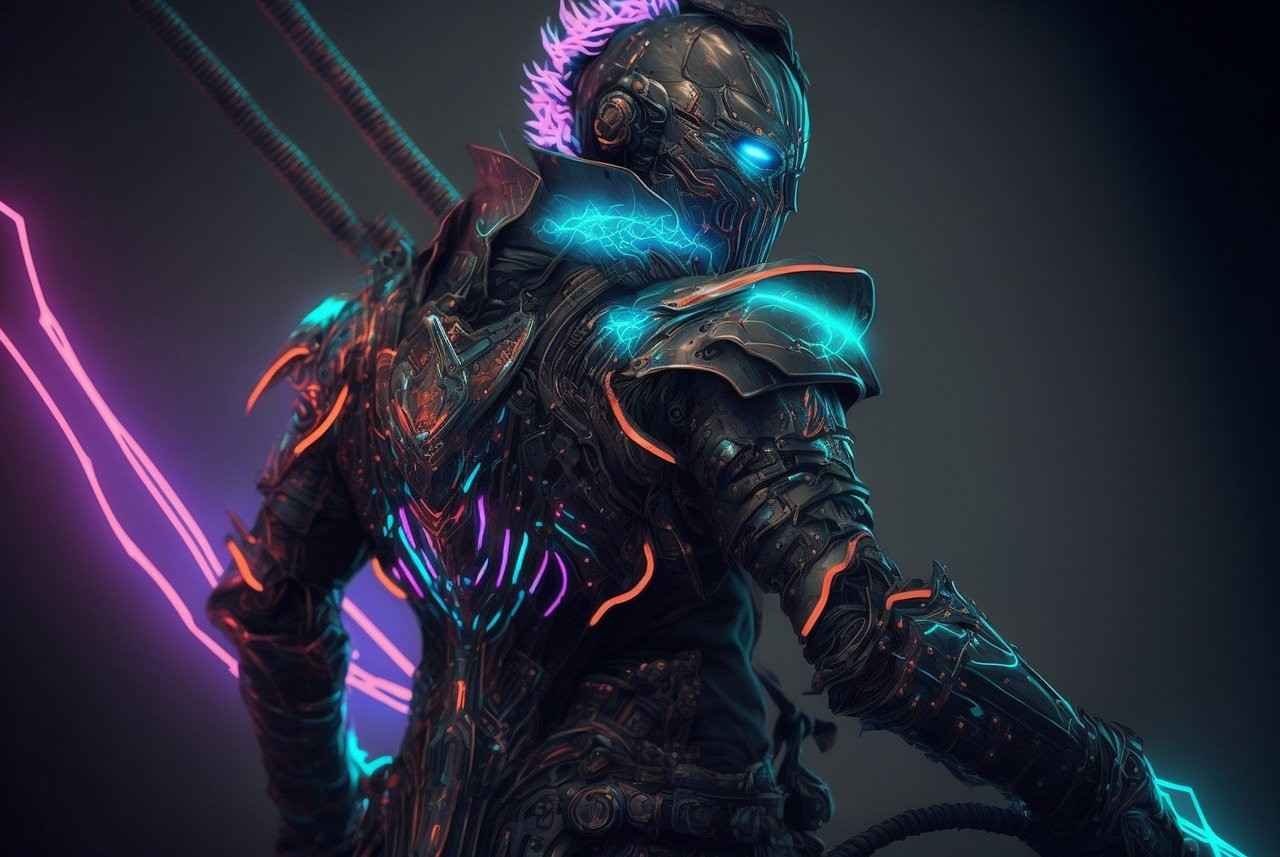
M3DSAcademy offers a structured learning path for beginners to explore 3D sculpting, a digital technique that allows artists to create highly detailed models using virtual clay. Sculpting is widely used in character creation, creatures, props, and environment details for films, games, and animations. It emphasizes creativity, anatomy, and artistic expression, making it an essential skill for aspiring 3D artists.
Understanding Sculpting Software
Popular sculpting software includes ZBrush, Blender, Mudbox, and 3D-Coat. Each program provides unique tools for manipulating digital geometry, such as brushes, masks, and dynamic topology. Beginners at M3DSAcademy gain hands-on experience with multiple software options to develop versatility and proficiency in sculpting workflows.
Base Mesh Creation
Sculpting often starts with a base mesh, a simple low-polygon model that provides the foundation for detailed sculpting. Proper topology ensures that sculpted details deform correctly in later stages, such as rigging and animation. Students learn techniques for creating effective base meshes that support both organic and hard-surface sculpting.
Understanding Anatomy and Proportion
For characters and creatures, accurate anatomy and proportion are crucial. Sculpting requires knowledge of skeletal structure, muscle flow, and natural movement. M3DSAcademy emphasizes observational skills and reference usage, helping beginners capture realistic forms and maintain correct proportions throughout the sculpting process.
Digital Clay and Brushes
Digital brushes simulate traditional sculpting tools. Common brush types include clay buildup, smooth, pinch, inflate, and move. Each brush allows different manipulations of geometry, enabling artists to build, refine, and polish models. Beginners practice combining brushes to achieve natural shapes, dynamic forms, and expressive features.
Dynamic Topology and Subdivision
Dynamic topology adds geometry where needed during sculpting, allowing for flexible detailing without increasing mesh density unnecessarily. Subdivision levels provide coarse-to-fine control, enabling artists to block out forms before adding high-resolution details. Understanding these tools ensures efficient sculpting and optimized models for production.
Detailing and Surface Texture
Fine details such as wrinkles, pores, scales, and armor patterns bring models to life. Artists use alphas, stencils, and custom textures to enhance surfaces realistically. Beginners practice layering details progressively, maintaining clarity and avoiding over-sculpting that can disrupt silhouette or readability.
Hard Surface vs. Organic Sculpting
- Organic Sculpting: Focuses on natural forms like humans, animals, or plants, requiring smooth transitions and anatomical accuracy.
- Hard Surface Sculpting: Involves mechanical or architectural objects, emphasizing sharp edges, clean shapes, and precise detailing.
M3DSAcademy trains beginners in both styles, encouraging versatility and adaptability across projects.
Retopology and Mesh Optimization
High-resolution sculpts are often too dense for animation or real-time applications. Retopology converts dense models into low-poly meshes while preserving essential shapes and details. Proper retopology ensures efficient UV mapping, rigging, and performance optimization for games or films.
Sculpting for Texturing and Baking
Detailed sculpts are used to generate normal maps, displacement maps, and ambient occlusion maps. These maps transfer high-resolution detail to low-poly models, creating the illusion of complexity while maintaining performance. Beginners learn to integrate sculpting and texturing pipelines effectively.
Posing and Expression
Sculpting isn’t limited to static models. Artists practice posing characters and adding facial expressions to convey emotion, movement, and personality. Understanding anatomy and joint movement ensures that models deform naturally in poses.
Sculpting Accessories and Props
Props, clothing, and environmental elements enhance storytelling and scene richness. Beginners learn to sculpt these additional assets with consistent scale, detail, and style, integrating them seamlessly with primary models.
Common Mistakes and How to Avoid Them
Common issues include disproportionate forms, over-detailing, and unnatural silhouettes. M3DSAcademy teaches problem-solving strategies such as iterative review, using reference consistently, and sculpting from broad forms to fine details to maintain quality and clarity.
Sculpting for Games vs. Films
Game models prioritize efficiency, optimized geometry, and real-time rendering compatibility. Film models allow higher detail, complex deformations, and detailed textures for cinematic quality. Beginners practice adapting sculpting workflows to meet specific pipeline requirements.
Portfolio Development with Sculpting
A strong sculpting portfolio demonstrates technical skill, artistic observation, and creativity. Students are encouraged to showcase a range of organic and hard-surface sculpts, emphasizing lighting, composition, and presentation quality. M3DSAcademy guides beginners on creating impactful portfolio pieces for career opportunities.
Practice Projects and Exercises
Hands-on exercises reinforce sculpting techniques. Projects like sculpting simple objects, creatures, or characters progressively build complexity. Consistent practice enhances hand-eye coordination, observation skills, and familiarity with sculpting software tools.
Future Trends in 3D Sculpting
Advancements in AI-assisted sculpting, real-time sculpting engines, and procedural detailing tools are transforming workflows. Beginners gain exposure to emerging technologies, enabling faster iterations while maintaining creative control.
Conclusion
3D sculpting is a critical skill for bringing characters, creatures, and objects to life with intricate detail and artistic expression. M3DSAcademy equips beginners with foundational knowledge in anatomy, brush techniques, detailing, retopology, and portfolio development. By mastering these techniques, learners can create professional-quality sculpts suitable for animation, games, films, and interactive media.
This article provides a comprehensive guide to 3D sculpting for beginners, emphasizing hands-on practice, observation, and integration with broader 3D production workflows.