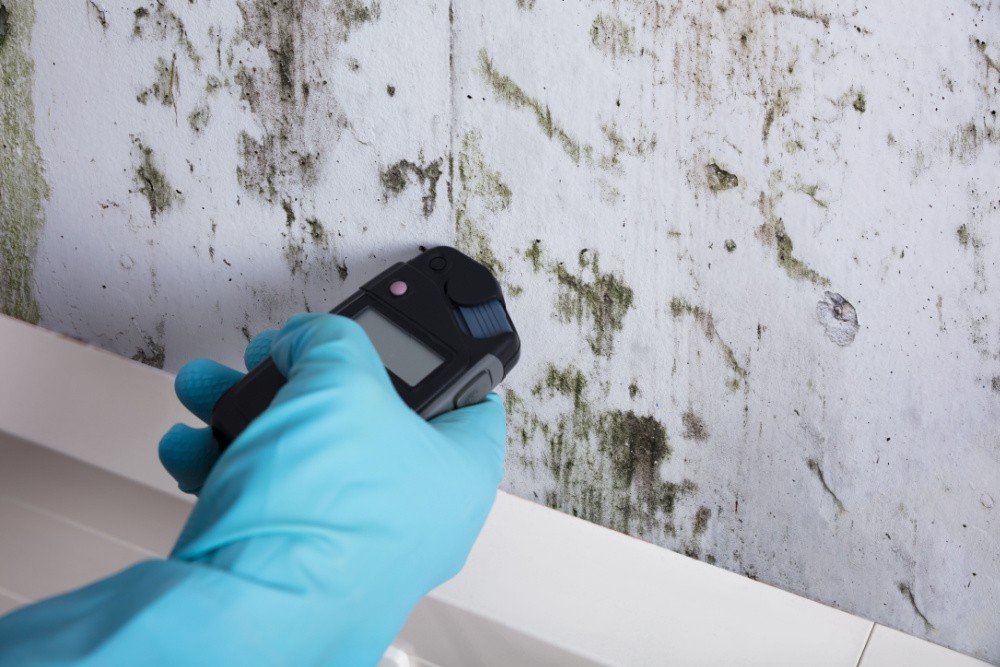
Detecting mold early can save homeowners time, money, and health risks. While professional inspections are the most reliable method, simple precautions and awareness can help identify potential problems quickly. A professional fast mold inspection ensures thorough testing, but knowing a few quick tips helps homeowners act promptly when signs of mold appear.
Check High-Moisture Areas Regularly
Bathrooms, basements, kitchens, and laundry rooms are prone to mold due to high humidity and water use. Inspect these areas frequently for water stains, discoloration, or musty odors. Scheduling a fast mold inspection in these high-risk zones can detect hidden mold before it spreads.
Pay Attention to Odors and Visual Signs
Musty smells, peeling paint, warped wood, or small black or green spots are early indicators of mold growth. Even minor signs warrant attention. A fast mold inspection can confirm whether these symptoms indicate a larger problem and help identify the source.
Monitor Humidity Levels
Excess moisture encourages mold growth. Using a hygrometer to track humidity and keeping indoor levels between 30% and 50% can reduce risk. After a fast mold inspection, inspectors may provide recommendations for managing humidity and preventing mold recurrence.
Use Temporary Protective Measures
Until professional remediation is done, limiting exposure is important. Avoid disturbing affected areas, increase ventilation, and consider using air purifiers. A fast mold inspection identifies the severity and areas to avoid, protecting both health and property.
Follow Up With Professional Testing
Even if DIY checks show minor issues, professional inspection ensures accurate assessment. A fast mold inspection evaluates hidden mold, airborne spores, and moisture problems, giving homeowners a clear plan for remediation and prevention.